
In A First, Haryana Gets A Park For Specially-Abled Children With Special Swings And Therapists
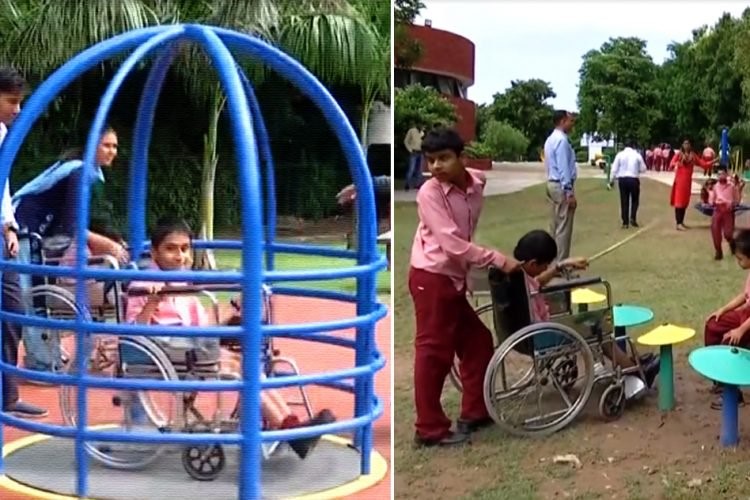 Setting a precedent for other states in the northern part of the country, a park designed for differently-abled children has opened in Panchkula’s Town Park.
The Department of Social Justice and Empowerment took the initiative to build the park in an area of six-acre at a total cost 65 lakhs. Reliance Foundation bankrolled the project under its corporate social responsibility (CSR) initiative.
Meet Vikram Agnihotri, the first Indian without arms to get a driving licence
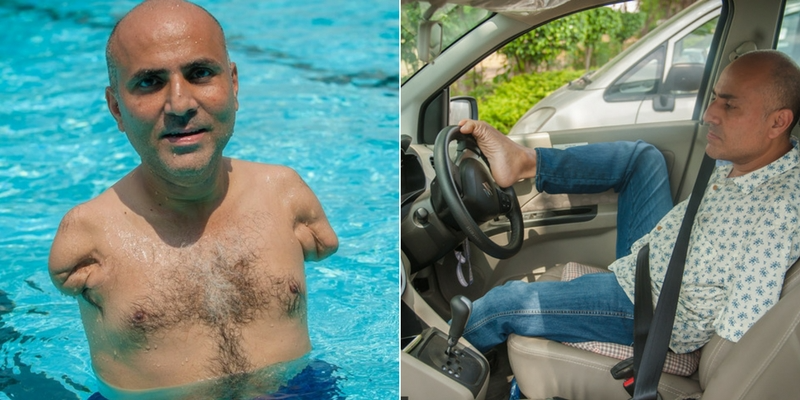 Vikram Agnihotri from Indore lost both his arms to electrocution when he was seven years old. But he trained his legs to do all that he could have done with his arms, so much so that he never felt like he was missing out on anything. He studied at a regular school, finished his master’s degree, and is now a motivational speaker who also runs a gas agency.
Akrit Jaswal became the world’s youngest surgeon at 7 and has a 146 IQ
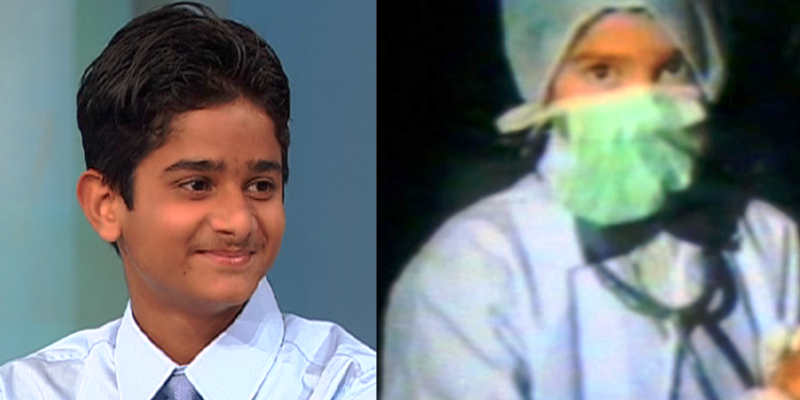 Akrit Jaswal was walking and talking by the time he was 10 months old. He started reading and writing by the age of two. He was reading Shakespeare, in English by the time he was five. Akrit has an I.Q. of 146, the highest I.Q. of any boy of his age in India.
3 young wonders changing the world
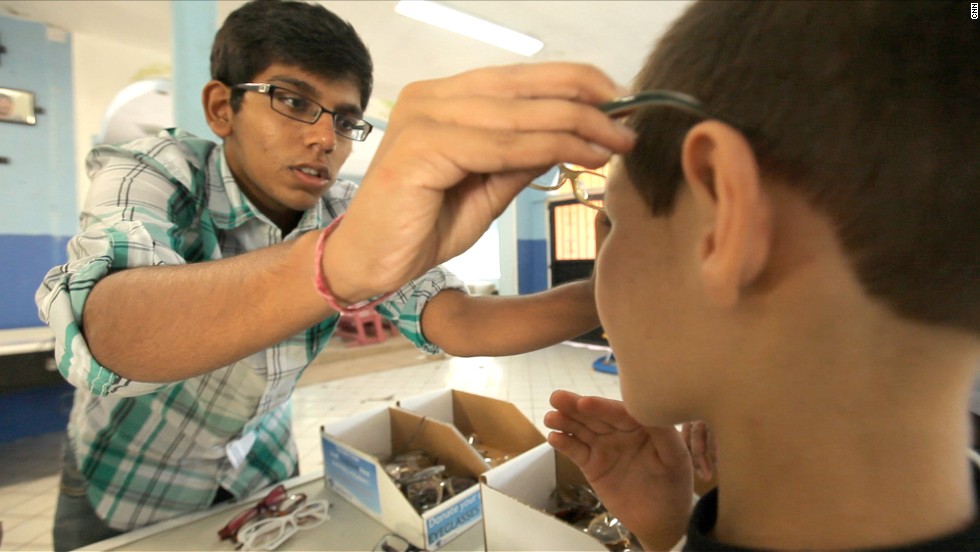 Story highlights
- Three young people were honored this year as CNN Heroes
- Blair Brettschneider is helping young refugees adapt to their new life in the United States
- Yash Gupta collects used eyeglasses and donates them to children in need
- Nicholas Lowinger started a group that gives new shoes to homeless children
Think kids today are spoiled? That they only care about themselves?
CNN Hero Yash Gupta says that’s far from the truth.
“I think there’s a misconception with our generation,” said Gupta, 17. “Many of my friends are doing things to improve their communities.
“
Mom-Daughter Duo Reimagine Kerala’s ‘Thorthu Towel’, Empower 500 Weavers!

It’s a towel. It’s a napkin. Nope, it’s a next-gen minimalistic style statement that has graced international fashion ramps! #Lifestyle #LiveGreen
The Fable of the Zen Master

One day in late summer, a farmer was working in his field with his old sick horse. The farmer felt compassion for the horse and desired to lift its burden. So he let his horse loose to go the mountains and live out the rest of its life.
Soon after, neighbors from the nearby village visited, offering their condolences and said, “What a shame. Now your only horse is gone. How unfortunate you are! You must be very sad. How will you live, work the land, and prosper?” The farmer replied: “Who could say? We shall see.”
Two days later the old horse came back rejuvenated after meandering in the mountainside while eating the wild grasses. Returning with him were twelve new and healthy horses which followed the old horse into the corral.
Word got out in the village of the farmer’s good fortune and it wasn’t long before people stopped by to congratulate him on his good luck. “How fortunate you are!” they exclaimed. You must be very happy!” The farmer softly said, “Who could say? We shall see.”
At daybreak on the next morning, the farmer’s only son set off to attempt to train the new wild horses, but the farmer’s son was thrown to the ground and broke his leg. One by one the villagers arrived to bemoan the farmer’s latest misfortune. “Oh, what a tragedy you have had! Your son won’t be able to help you farm with a broken leg. You’ll have to do all the work yourself. How will you survive? You must be very sad,” they said. Calmly going about his usual business the farmer answered, “Who could say? We shall see.”
Several days later a war broke out. The Emperor’s men arrived in the village demanding that young men come with them to be conscripted into the Emperor’s army. As it happened the farmer’s son was deemed unfit because of his broken leg. “What very good fortune you have!!” the villagers exclaimed as their own young sons were marched away. “You must be very happy.” “Who could say? We shall see.” replied the farmer as he headed off to work his field alone.
As time went on the broken leg healed but the son was left with a slight limp. Again the neighbors came to pay their condolences. “Oh what bad luck you have; too bad for you!” But the farmer replied simply, “Who could say? We shall see.”
As it turned out the other young village boys died in the war and the farmer and his son were the only able bodied men capable of working the village lands. The farmer became wealthy and was very generous to the villagers. They said: “Oh how fortunate we are; you must be very happy” to which the farmer softly calmly said, “Who could say? We shall see.”
Interpretation: This tale is set in a time of uncertainty as is ours. They are dealing with day to day life in their fields as well as war waged by their leader. So too are we going about the daily tasks of life while some of us feel besieged by a threat of war and an energy. We all need to find a moment to be silent, to pray, to meditate One day in late summer, a farmer was working in his field with his old sick horse. The farmer felt compassion for the horse and desired to lift its burden. So he let his horse loose to go the mountains and live out the rest of its life.
Soon after, neighbors from the nearby village visited, offering their condolences and said, “What a shame. Now your only horse is gone. How unfortunate you are! You must be very sad. How will you live, work the land, and prosper?” The farmer replied: “Who could say? We shall see.”
Two days later the old horse came back rejuvenated after meandering in the mountainside while eating the wild grasses. Returning with him were twelve new and healthy horses which followed the old horse into the corral.
Word got out in the village of the farmer’s good fortune and it wasn’t long before people stopped by to congratulate him on his good luck. “How fortunate you are!” they exclaimed. You must be very happy!” The farmer softly said, “Who could say? We shall see.”
At daybreak on the next morning, the farmer’s only son set off to attempt to train the new wild horses, but the farmer’s son was thrown to the ground and broke his leg. One by one the villagers arrived to bemoan the farmer’s latest misfortune. “Oh, what a tragedy you have had! Your son won’t be able to help you farm with a broken leg. You’ll have to do all the work yourself. How will you survive? You must be very sad,” they said. Calmly going about his usual business the farmer answered, “Who could say? We shall see.”
Several days later a war broke out. The Emperor’s men arrived in the village demanding that young men come with them to be conscripted into the Emperor’s army. As it happened the farmer’s son was deemed unfit because of his broken leg. “What very good fortune you have!!” the villagers exclaimed as their own young sons were marched away. “You must be very happy.” “Who could say? We shall see.” replied the farmer as he headed off to work his field alone.
As time went on the broken leg healed but the son was left with a slight limp. Again the neighbors came to pay their condolences. “Oh what bad luck you have; too bad for you!” But the farmer replied simply, “Who could say? We shall see.”
As it turned out the other young village boys died in the war and the farmer and his son were the only able bodied men capable of working the village lands. The farmer became wealthy and was very generous to the villagers. They said: “Oh how fortunate we are; you must be very happy” to which the farmer softly calmly said, “Who could say? We shall see.”
Interpretation : We all need to access the energy and equanimity within us. That aspect is the wise self/God Spark/Higher Power energy that is kind, generous, curious and fully present in the moment. The word equanimity feels so powerful — that Zen farmer had equanimity. Regardless of what was swirling around him he was composed, poised, calm and level-headed. He also moved into action whether it was to let his old horse go, tend his new herd, farm the fields, care for his son, or help his neighbors after their children die. His was not an easy life; in fact, he lived on the edge. Still he did it all with equanimity and curiosity — he did not judge anything as good or bad — he simply was in the moment and in that moment of calm knew what next step to take.
 Sharing positive news